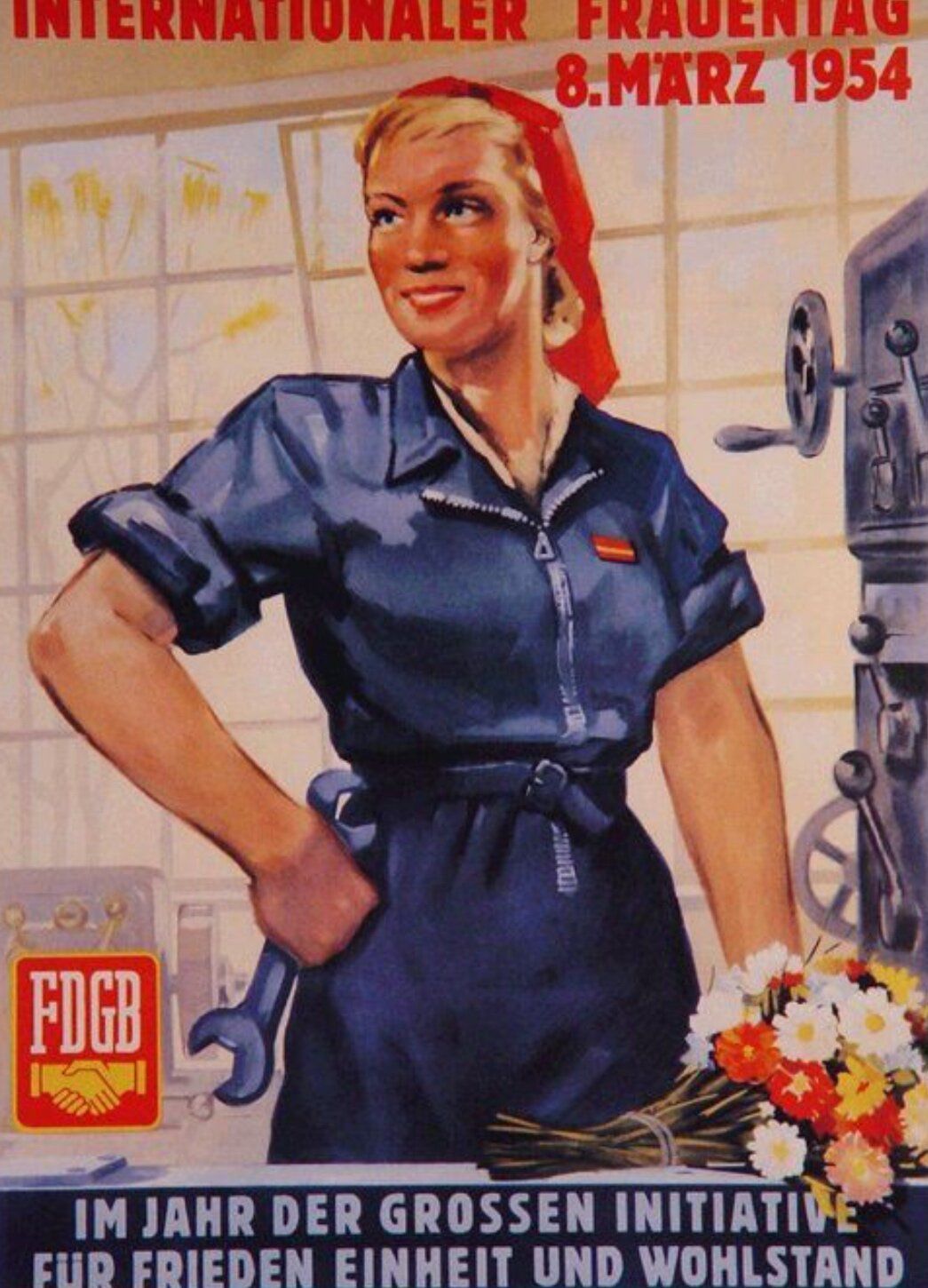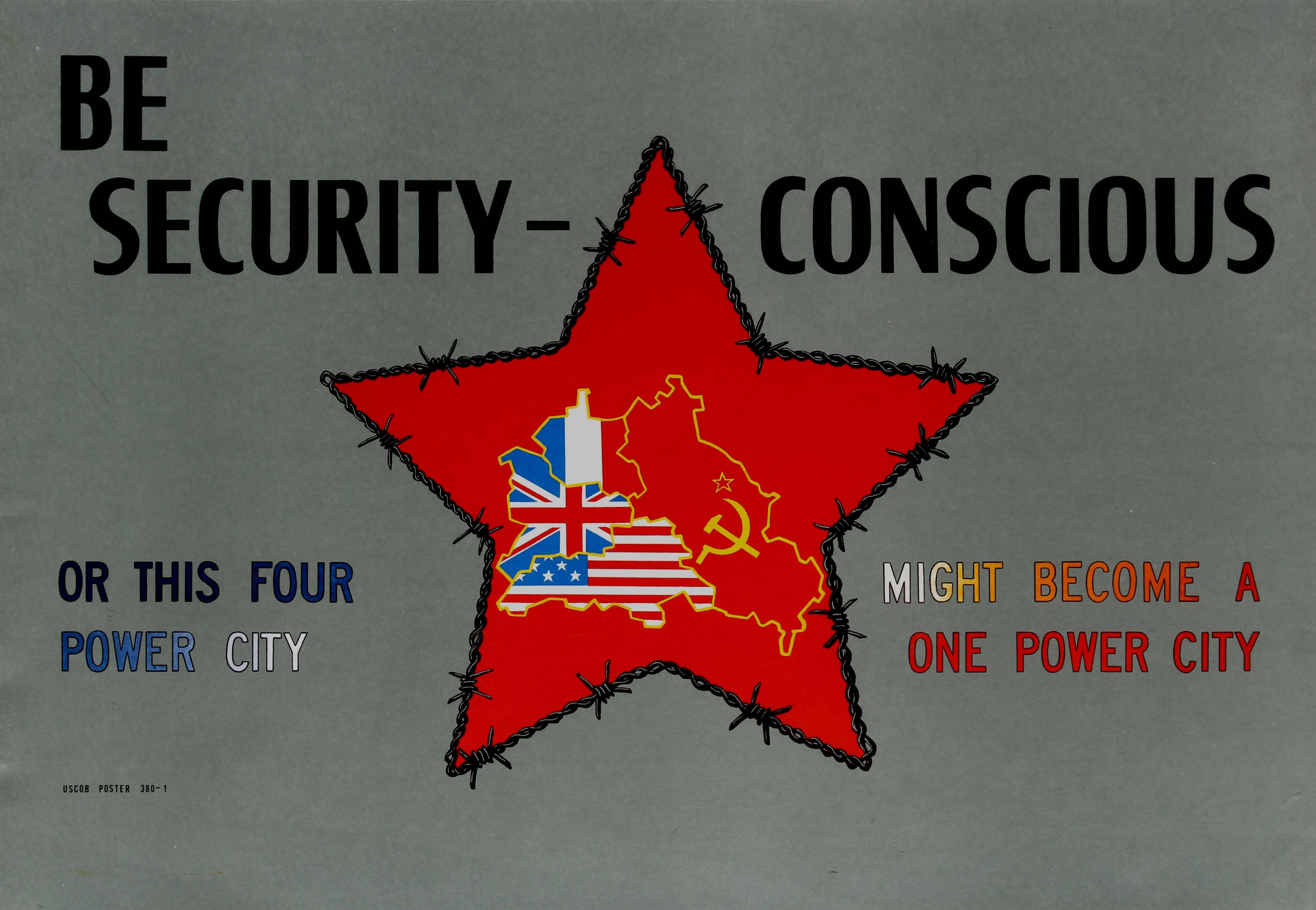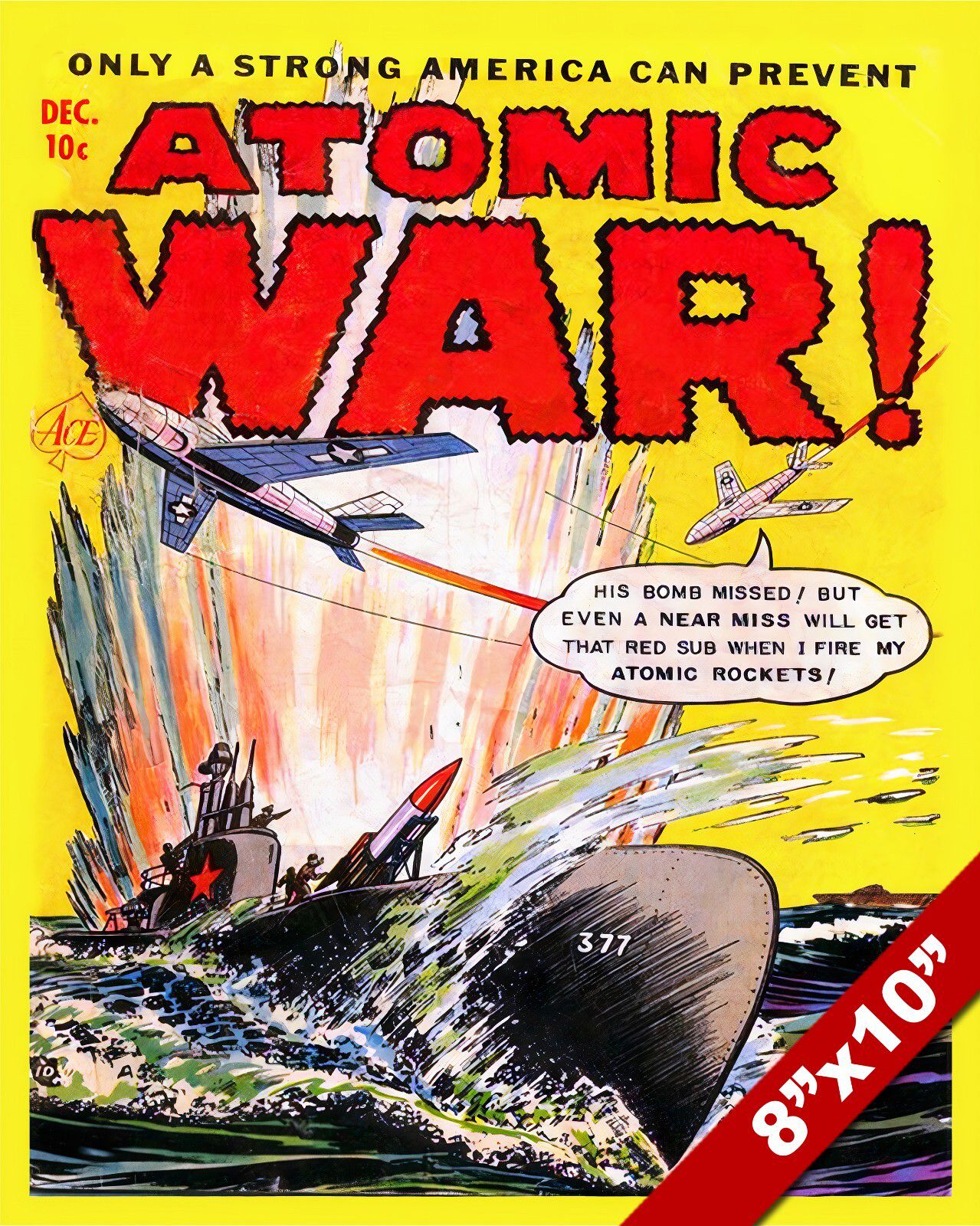
I’ve always been fascinated by how art can shape minds, especially during times of tension. Cold War propaganda posters are a prime example—they weren’t just colorful prints; they were weapons in a battle of ideologies. Flipping through a collection recently, I noticed how these posters distilled complex political fears into simple, striking visuals. One Soviet poster from 1952, for instance, depicted Uncle Sam as a snake, its fangs dripping with the word "War." It’s a stark reminder of how symbolism could sway public opinion without a single word of dialogue.
The Role of Symbolism in Cold War Propaganda
Symbolism was the backbone of these posters. Artists on both sides of the Iron Curtain used icons like the hammer and sickle or the American eagle to evoke loyalty or fear. I once analyzed a 1961 American poster that showed a family huddled under a fallout shelter sign, the words “Be Ready” looming above. It wasn’t just about preparedness—it was about reinforcing the idea that the U.S. was the protector against an existential threat. These images weren’t accidental; they were meticulously designed to resonate with specific audiences, often playing on their deepest anxieties.
Techniques Used to Influence Public Opinion
Propaganda during the Cold War relied on a few key techniques. Simplification was critical—complex issues like nuclear disarmament were reduced to good vs. evil narratives. Demonization was another staple; the enemy was often depicted as monstrous or subhuman. I recall a 1950s Soviet poster where a capitalist factory owner had claws instead of hands, exploiting workers. Repetition was also vital; slogans like “Peace through Strength” appeared across multiple U.S. posters, hammering home the message. These methods weren’t subtle, but they were effective in shaping public sentiment.
Comparing Eastern and Western Approaches
While both sides used similar tactics, their focus differed. Western posters often emphasized freedom and individualism, like a 1947 poster showing a muscular worker with the caption “Production is the Key to Prosperity.” Eastern posters, meanwhile, stressed collectivism and unity, as seen in a 1955 Soviet design featuring a diverse group of workers under the slogan “Our Strength is in Solidarity.” The table below highlights these contrasts:
| Aspect | Western Posters | Eastern Posters |
|---|---|---|
| Primary Theme | Freedom, Capitalism | Collectivism, Socialism |
| Common Symbols | American Eagle, Uncle Sam | Hammer and Sickle, Red Star |
| Tone | Optimistic, Defiant | Stoic, Unified |
The Lasting Impact of Cold War Propaganda
What’s striking is how these posters still influence modern discourse. The fear-based messaging of the Cold War era echoes in today’s political ads and social media campaigns. I’ve noticed contemporary posters using similar color schemes and symbolism, like red and black palettes to evoke urgency. It’s a testament to how effective these techniques were—and how deeply they’ve embedded themselves in our collective psyche.
💡 Note: When analyzing propaganda, always consider the historical context. What seemed extreme then might reflect genuine fears of the time.
Studying Cold War propaganda posters isn’t just about revisiting history—it’s about understanding how media shapes our beliefs. Next time you see a political ad or a viral meme, ask yourself: What symbols are being used? What emotions are being targeted? The answers might just reveal how much we’ve inherited from that tense, colorful era.
Related Terms:
- american cold war propaganda posters
- soviet cold war propaganda posters
- vietnam propaganda posters
- cold war pictures
- cold war political cartoon
- cold war propaganda united states