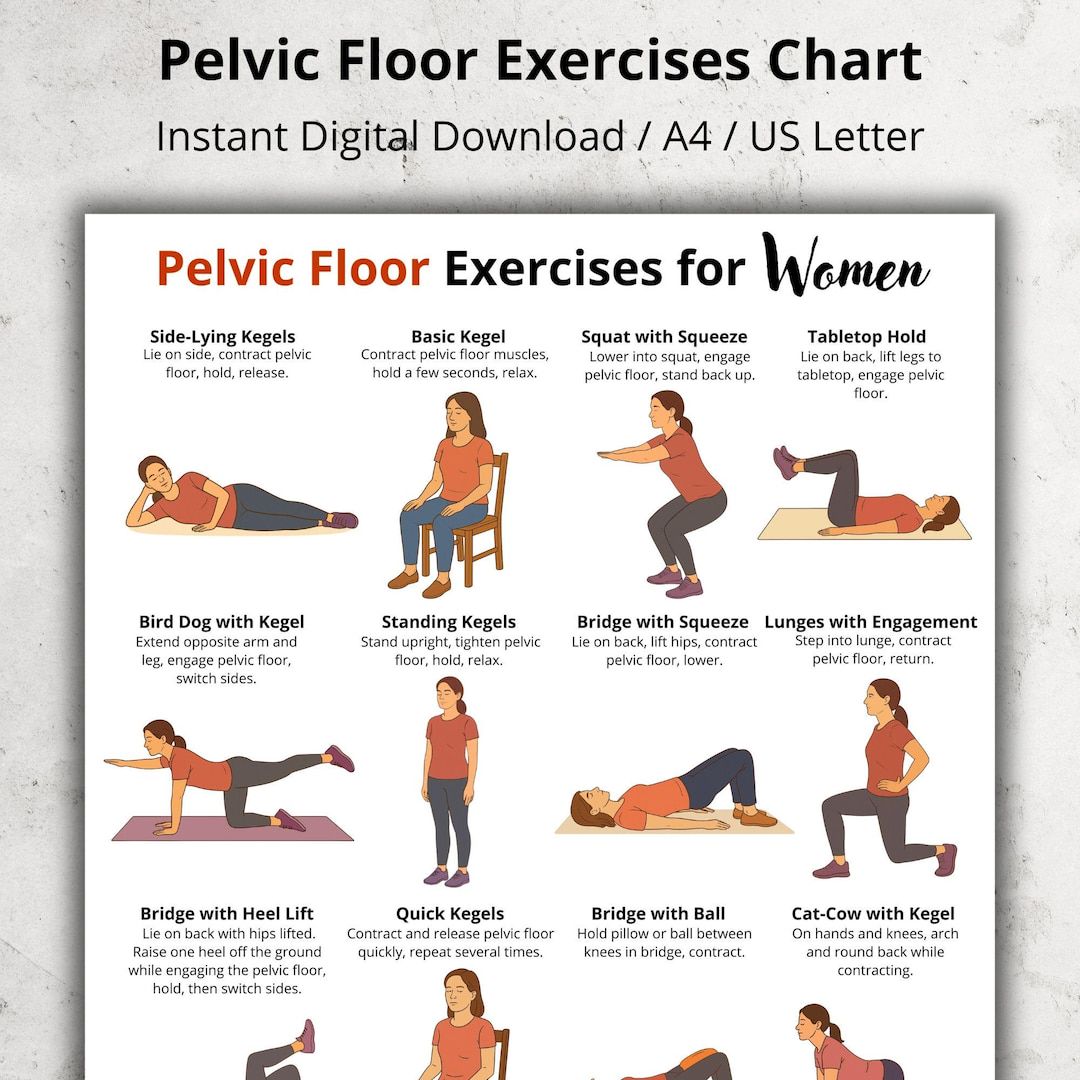
I’ll never forget the first time I heard someone mention pelvic floor exercises in a men’s health discussion. It was during a physical therapy session for a sports injury, and the therapist casually asked if I’d ever considered strengthening my pelvic floor. My initial reaction? Confusion. I thought pelvic floors were a women’s health issue—something to do with childbirth or menopause. But here’s the thing: men absolutely have pelvic floors, and ignoring them can lead to problems like incontinence, erectile dysfunction, or chronic pain. That day, I learned that the pelvic floor isn’t gender-specific—it’s a critical muscle group for everyone.
What Exactly Is the Pelvic Floor?
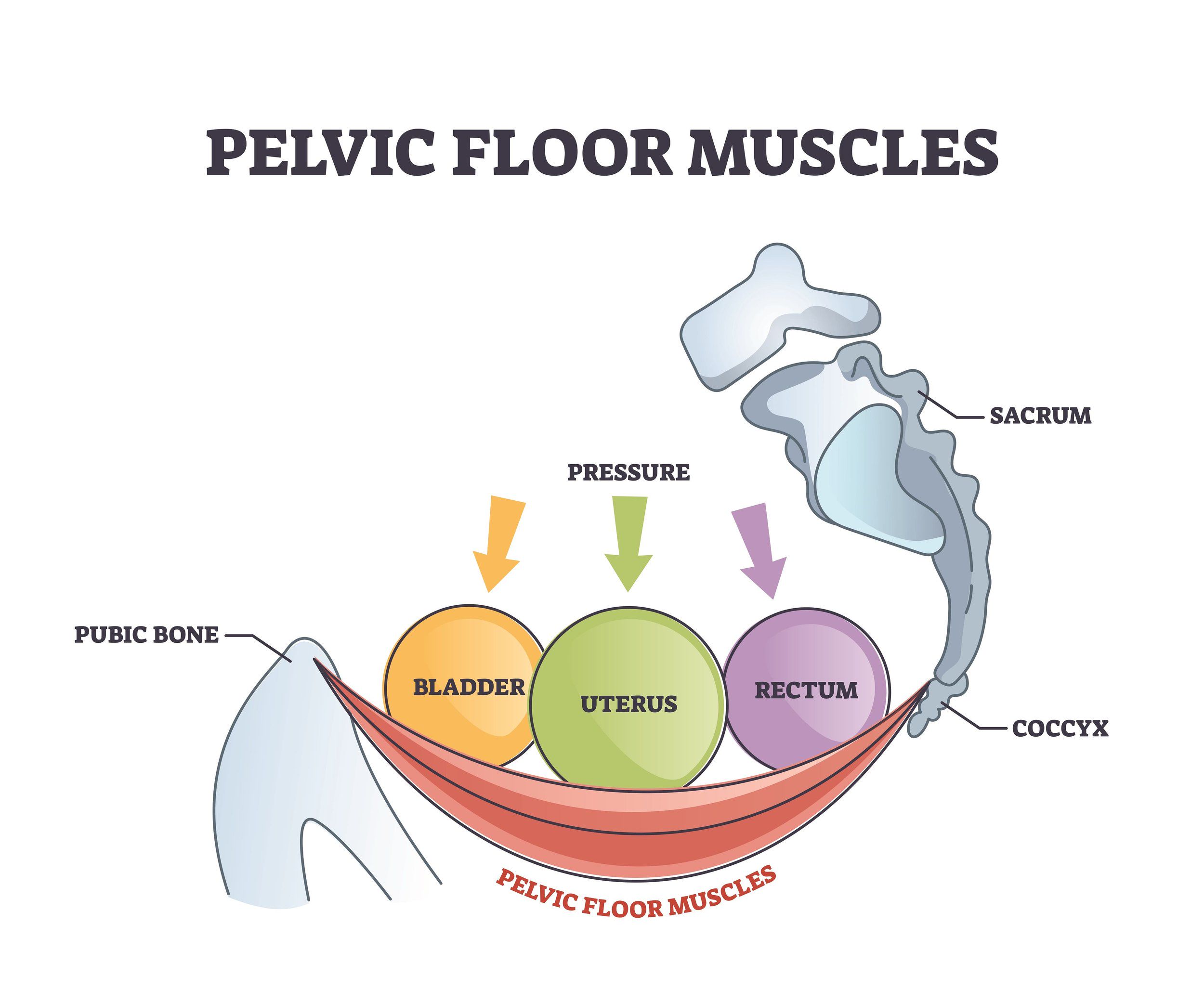
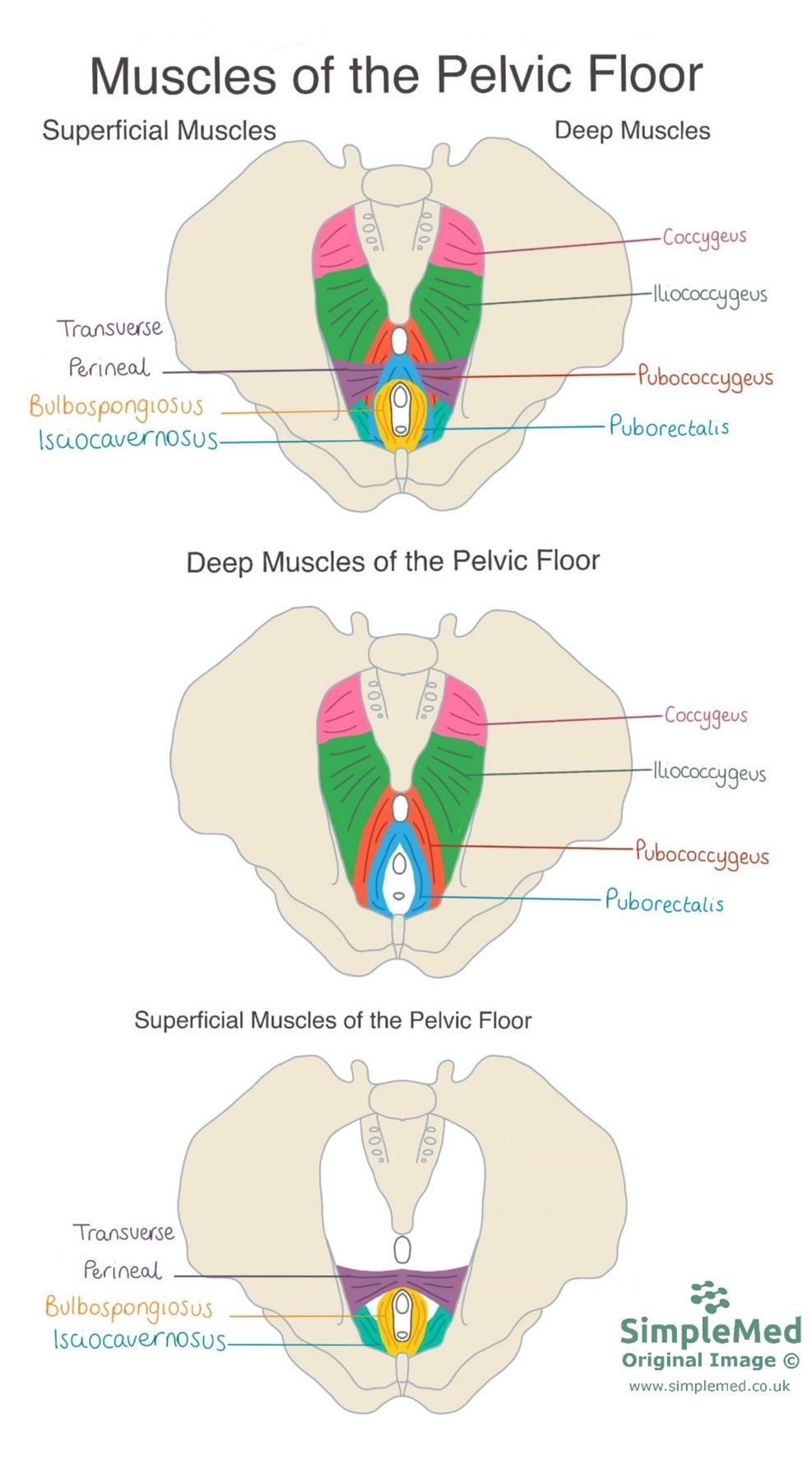
The pelvic floor is a group of muscles, ligaments, and tissues that form a sling-like structure at the base of the pelvis. In men, it supports the bladder, bowel, and prostate, and plays a role in sexual function and continence. These muscles are active during everyday activities like coughing, sneezing, or lifting heavy objects, but most people don’t think about them until something goes wrong. For instance, after my injury, I noticed occasional leakage when I sneezed—a sign my pelvic floor was weaker than it should be. That’s when I started researching and realized how overlooked this area is in men’s health conversations.
Why Men Should Care About Their Pelvic Floors
Men’s pelvic floors are just as prone to issues as women’s, though the causes differ. Aging, obesity, chronic coughing, and even intense weightlifting can strain these muscles. Prostate surgery, a common procedure for older men, often weakens the pelvic floor, leading to incontinence. In my case, years of high-impact sports had taken a toll without me realizing it. The good news? Strengthening these muscles can prevent or improve many of these issues. I started doing Kegel exercises—yes, men can do them too—and noticed improvements within weeks. It’s not just about avoiding problems; a stronger pelvic floor can enhance sexual performance and core stability.
Common Pelvic Floor Issues in Men
Here’s a quick breakdown of the most common pelvic floor problems men face:
| Issue | Cause | Symptoms |
|---|---|---|
| Urinary Incontinence | Weak pelvic floor muscles, prostate surgery | Leakage during coughing, sneezing, or exercise |
| Fecal Incontinence | Muscle damage, nerve issues | Accidental bowel movements |
| Chronic Pelvic Pain | Muscle tension, inflammation | Persistent pain in the pelvic region |
How to Strengthen Your Pelvic Floor
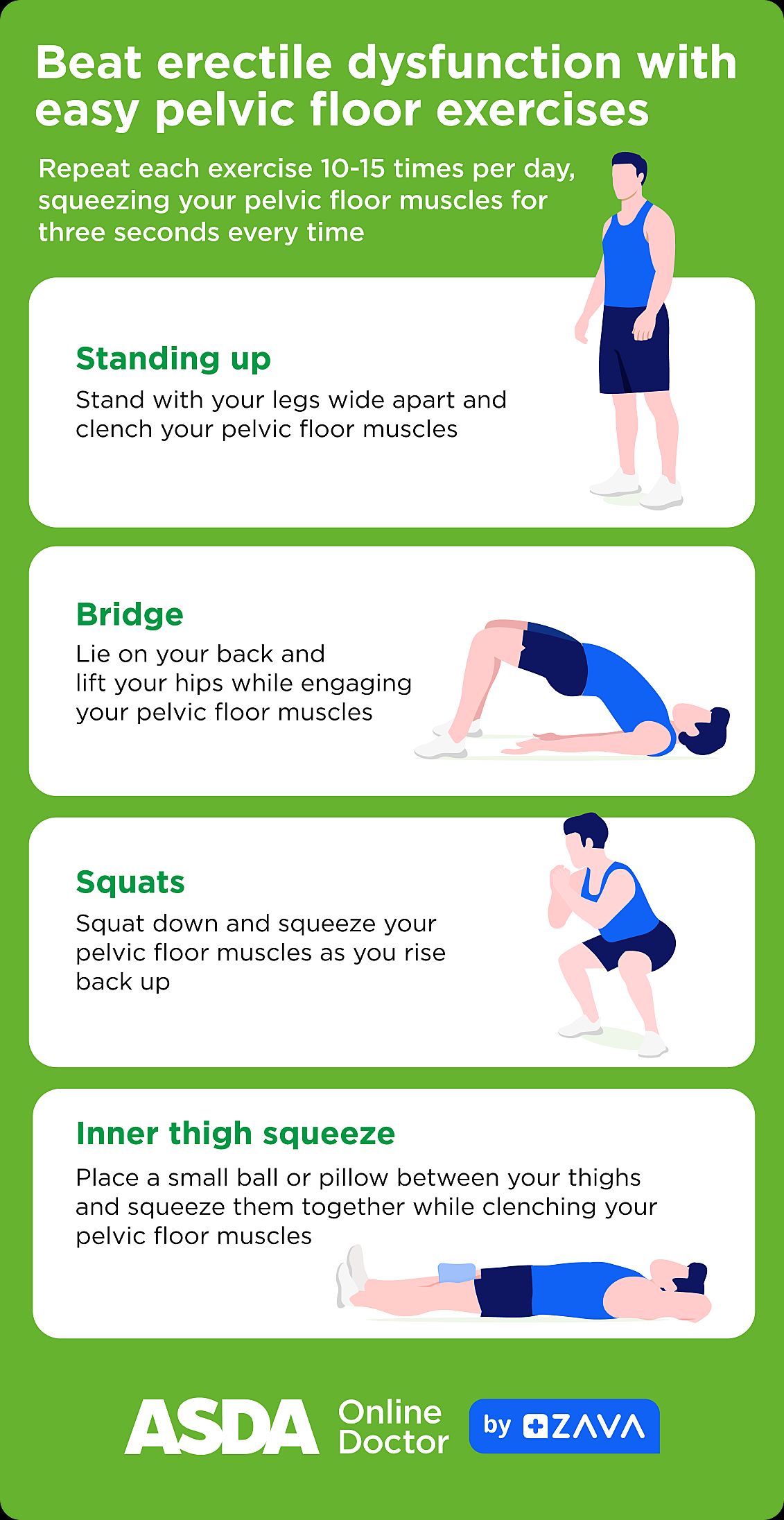
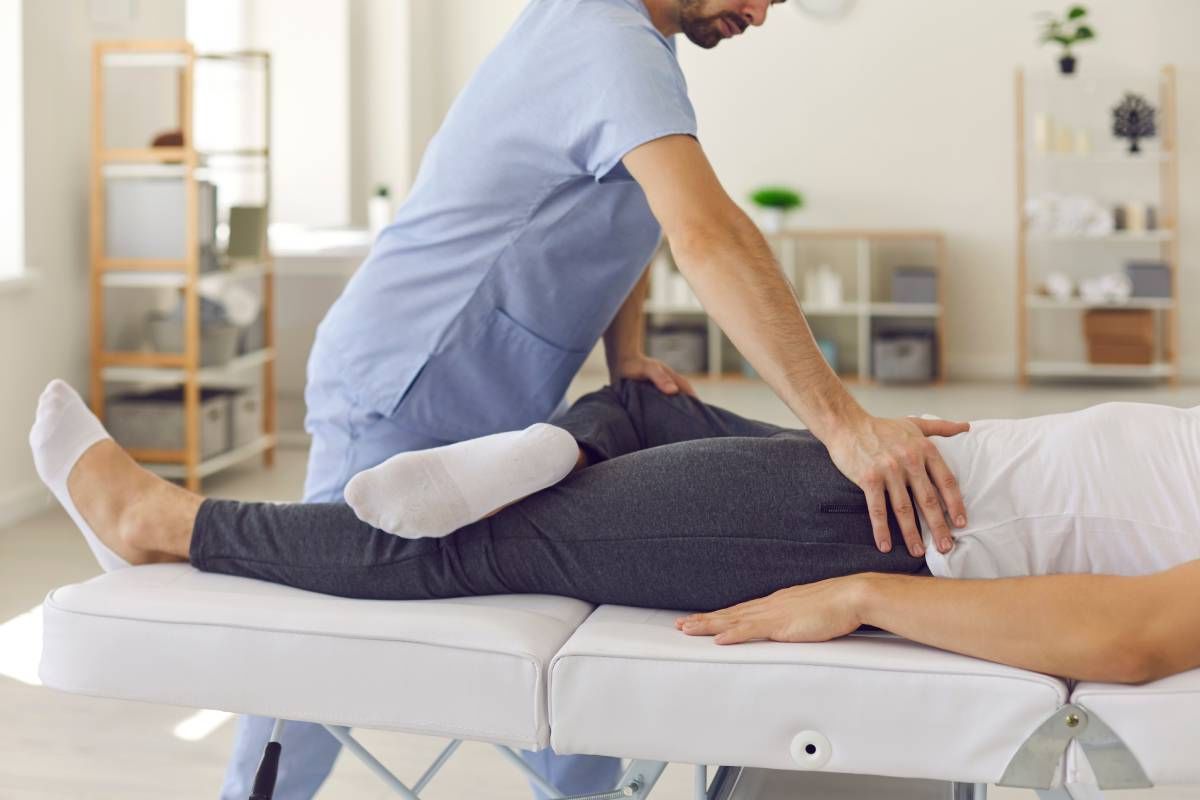
Kegel exercises are the gold standard for pelvic floor health. To find the right muscles, try stopping your urine midstream—those are the muscles you need to engage. Once you’ve identified them, practice squeezing and holding for 3–5 seconds, then releasing. Aim for 10–15 reps, three times a day. Consistency is key; I set reminders on my phone to ensure I didn’t skip them. Another tip: avoid straining during bowel movements, as this can weaken the muscles over time. If you’re unsure you’re doing the exercises correctly, a physical therapist specializing in pelvic health can guide you.
💡 Note: If you’re experiencing severe symptoms like constant pain or significant incontinence, consult a healthcare professional. DIY exercises aren’t a substitute for medical advice.
Honestly, the biggest challenge I faced was overcoming the stigma. Talking about pelvic floors with male friends felt awkward at first, but once I shared my experience, several admitted they’d had similar concerns. It’s a reminder that men’s health issues are often under-discussed, not nonexistent. By normalizing these conversations, we can encourage more men to take proactive steps for their well-being.
Here’s the takeaway: your pelvic floor is just as important as any other muscle group. Whether you’re 20 or 60, incorporating pelvic floor exercises into your routine can prevent future problems and improve your quality of life. Start small, stay consistent, and don’t be afraid to seek help if needed. Your body will thank you.