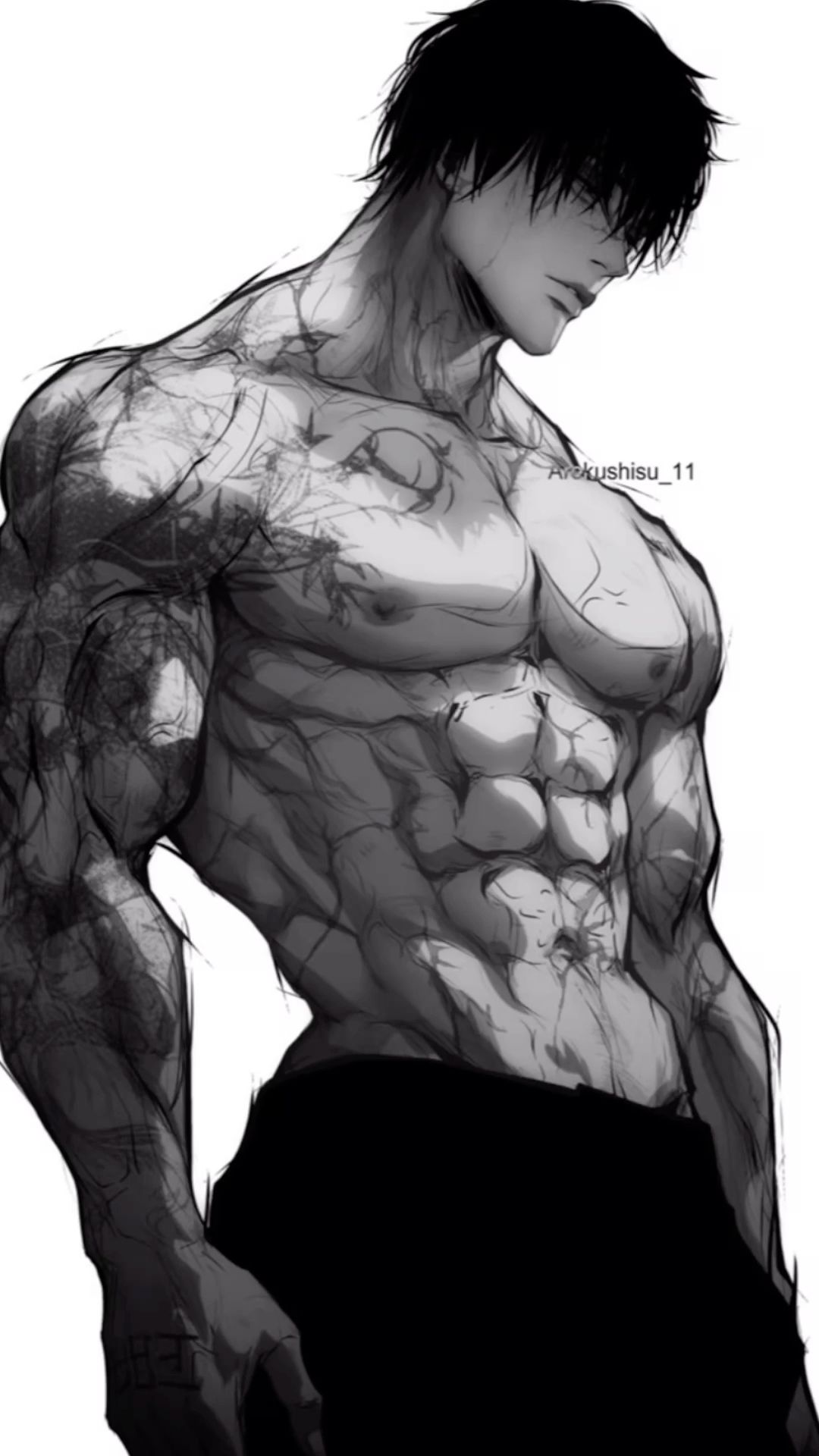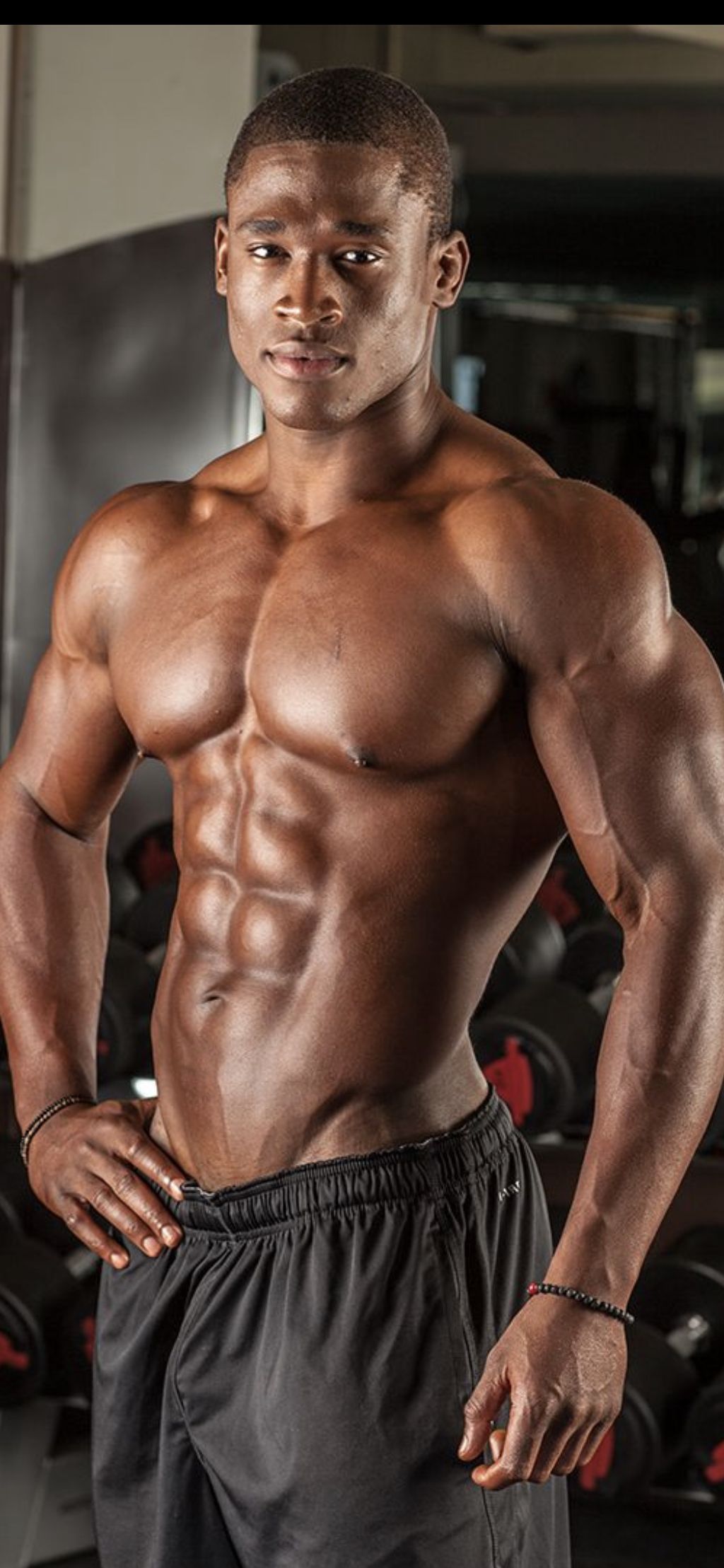
Drawing the human form is an art that demands precision, patience, and practice. I’ve spent years refining my skills, and one subject that consistently challenges me is the full body muscular man drawing. It’s not just about capturing the anatomy; it’s about conveying strength, proportion, and movement. I’ve learned that even small errors in muscle definition or posture can make the difference between a lifelike figure and a flat, unrealistic sketch. Whether you’re a beginner or an experienced artist, mastering this subject requires a blend of technical knowledge and creative intuition.
Understanding Anatomy: The Foundation of a Full Body Muscular Man Drawing
Before you put pencil to paper, it’s crucial to understand the underlying anatomy. I’ve found that studying skeletal structures and major muscle groups is non-negotiable. For instance, the deltoids, pectorals, and quadriceps are key areas to focus on when drawing a muscular figure. I often reference anatomy books or 3D models to ensure accuracy. One tool I swear by is the Proko Anatomy Guide, which breaks down complex structures into digestible visuals. Without this foundational knowledge, even the most skilled artist will struggle to create a convincing full body muscular man drawing.
Proportions: The Make-or-Break Factor
Proportions are where many artists stumble. I’ve seen countless sketches where the torso is too long, the legs too short, or the shoulders uneven. A rule of thumb I’ve adopted is the 8-head method, where the entire figure is roughly eight times the size of the head. However, for a muscular build, adjustments are necessary. Wider shoulders, a narrower waist, and more defined limbs are essential. I’ve learned to measure carefully, using the head as a unit to maintain consistency across the figure.
Common Proportion Mistakes to Avoid
- Overemphasizing muscle size at the expense of overall balance.
- Ignoring the natural taper of the body, such as the waist narrowing from the ribcage.
- Placing joints incorrectly, like elbows or knees, which can distort movement.
Posing and Movement: Bringing the Drawing to Life
A static pose can make even the most detailed full body muscular man drawing feel flat. I’ve learned that dynamic poses—such as mid-stride or mid-lift—add energy and realism. One technique I use is the gesture drawing, where I quickly sketch the overall flow of the pose before adding details. This helps me capture the essence of movement without getting bogged down in specifics too early. Tools like PoseManiacs have been invaluable for generating reference poses when live models aren’t available.
Shading and Detailing: The Final Touches
Shading is where the muscles truly pop. I’ve experimented with various techniques, from cross-hatching to blending, and found that consistency in light direction is key. For instance, if the light source is coming from the left, all shadows should align accordingly. I’ve also learned to use highlighting sparingly to avoid over-rendering. A common mistake is to shade every muscle individually, which can make the figure look disjointed. Instead, I focus on larger muscle groups and let the shading suggest the smaller details.
| Technique | Best For | Drawbacks |
|---|---|---|
| Cross-hatching | Adding texture and depth | Time-consuming, can look messy if overdone |
| Blending | Smooth transitions between light and shadow | Requires specific tools like blending stumps |
| Stippling | Creating subtle gradients | Labor-intensive, not ideal for large areas |
💡 Note: When shading, always start with lighter tones and gradually build up to darker areas. This prevents over-darkening and allows for easier corrections.
After years of practice, I’ve realized that a full body muscular man drawing isn’t just about technical skill—it’s about storytelling. Every line, every shadow, contributes to the narrative of strength and movement. While mastering this subject takes time, the payoff is immense. Honestly, there’s nothing quite like stepping back from a finished piece and seeing the muscles seem to flex off the page. If you’re struggling, remember: even the most experienced artists started with basic shapes and gradual improvements. Keep practicing, and don’t be afraid to experiment with different styles and techniques. Your next masterpiece is just a sketch away.
Related Terms:
- muscle man
- muscular women
- anatomically proportioned male body drawing
- human sketch full body
- side view drawing full body
- man full body sketch