
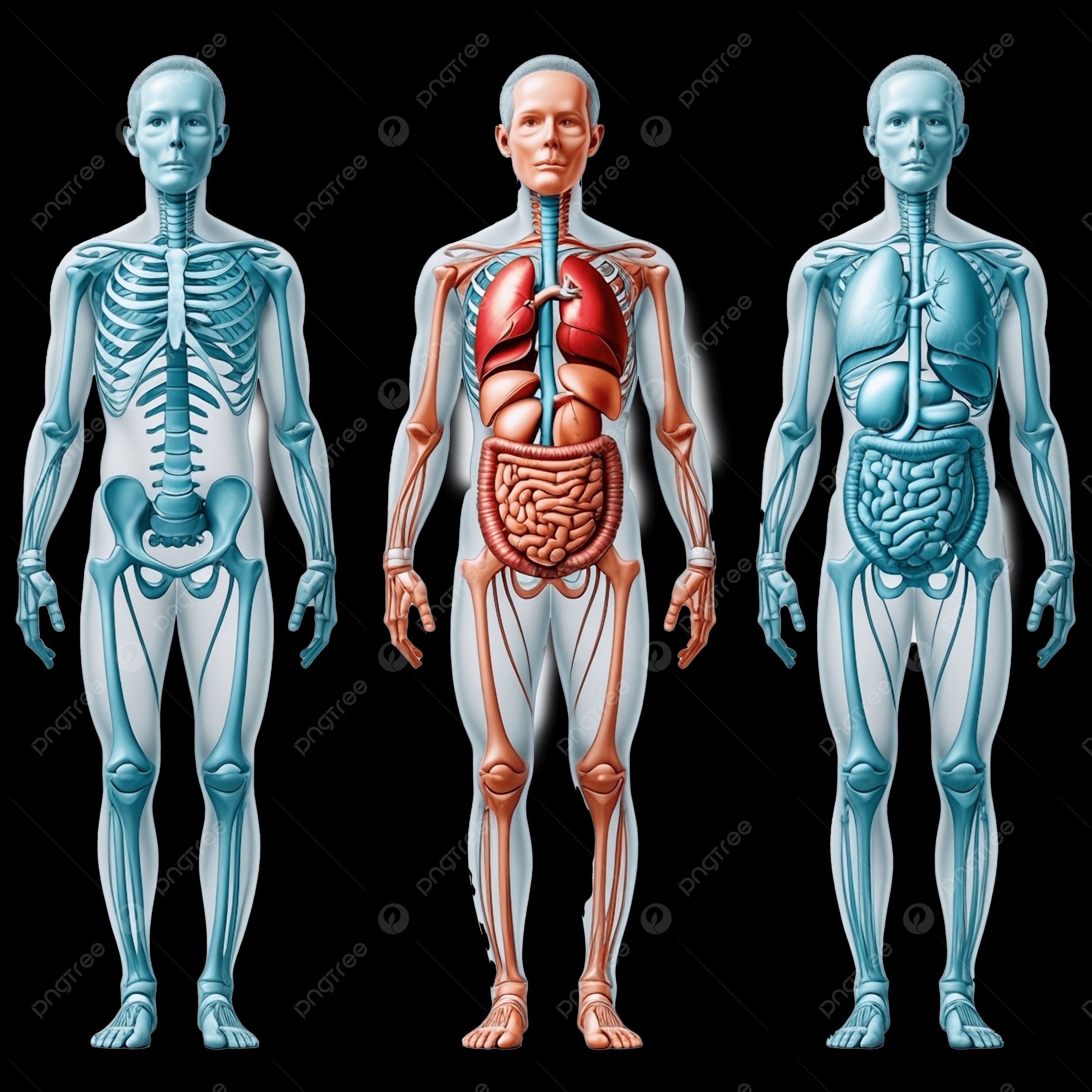
When I first started working with 3D modeling, I struggled to find high-quality images for skeleton structures that could serve as reliable references. Whether it was for anatomical studies, game development, or animation, the right visuals were hard to come by. I quickly realized that images for skeleton weren’t just about finding any picture—they needed to be accurate, detailed, and versatile enough for different applications. Over time, I’ve tested various sources and tools, and I’ve learned what works best in different scenarios. Here’s what I’ve discovered.
Why Accurate Skeleton Images Matter
In my experience, using the wrong reference can lead to costly mistakes. For instance, during a freelance animation project, I relied on a low-resolution skeleton image that lacked proper joint definitions. The result? The character’s movement looked unnatural, and I had to redo hours of work. Accurate images for skeleton aren’t just about aesthetics—they’re about functionality. For medical professionals, students, or artists, precision is non-negotiable. A single mislabeled bone or incorrect angle can derail an entire project.
Where to Find Reliable Skeleton Images
After testing dozens of resources, I’ve narrowed down the most trustworthy sources. For medical-grade accuracy, platforms like Visible Body and Biodigital offer detailed 3D models and high-resolution images. These are ideal for professionals but can be pricey. For budget-friendly options, OpenStax and PhyloPic provide free, open-source images that are surprisingly detailed. I’ve also found that Sketchfab is a goldmine for 3D skeleton models, though it requires some technical know-how to export images.
Comparison of Top Sources
| Source | Cost | Quality | Best For |
|---|---|---|---|
| Visible Body | High | Excellent | Medical Professionals |
| OpenStax | Free | Good | Students, Educators |
| Sketchfab | Free/Paid | Variable | 3D Artists, Developers |
Tools to Enhance Skeleton Images
Sometimes, even the best images need adjustments. I’ve found that Adobe Photoshop and GIMP are excellent for refining details like lighting and contrast. For 3D work, Blender allows you to import and manipulate skeleton models directly. One pro tip: use Procreate on an iPad for quick annotations—it’s surprisingly effective for adding labels or highlighting specific bones.
✨ Note: When using 3D tools, always double-check the scale and proportions. Even small discrepancies can throw off your entire project.
Common Mistakes to Avoid
One mistake I see often is relying solely on 2D images for 3D projects. While flat references are useful, they lack depth and perspective. Another pitfall is ignoring licensing terms. I once used an image from a random website without checking, only to receive a takedown notice later. Always verify if the image is royalty-free or requires attribution.
Here’s the thing: not all skeleton images are created equal. A generic Google search might yield results, but they’re rarely tailored to your needs. Investing time in finding the right source pays off in the long run.
Finally, don’t underestimate the power of creating your own references. I’ve started using ZBrush to sculpt custom skeleton models for unique projects. It’s time-consuming but ensures I have exactly what I need. Whether you’re a student, artist, or professional, the right images for skeleton can make all the difference. Focus on accuracy, quality, and legality, and you’ll save yourself a lot of headaches down the line.
Related Terms:
- images of skeletons drawing
- cartoon images of skeletons
- images of the human skeleton
- large picture of human skeleton
- skeleton jpg


