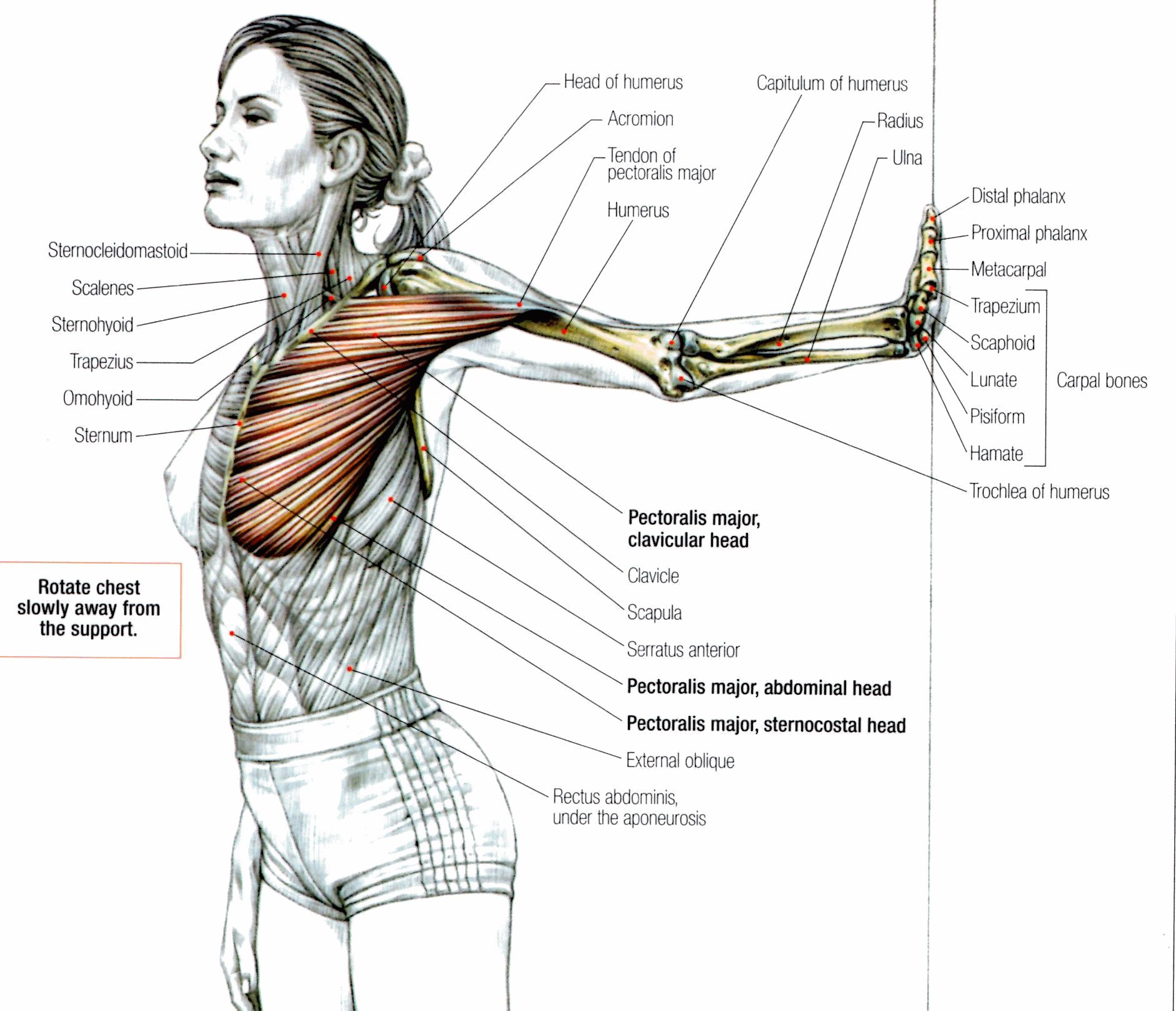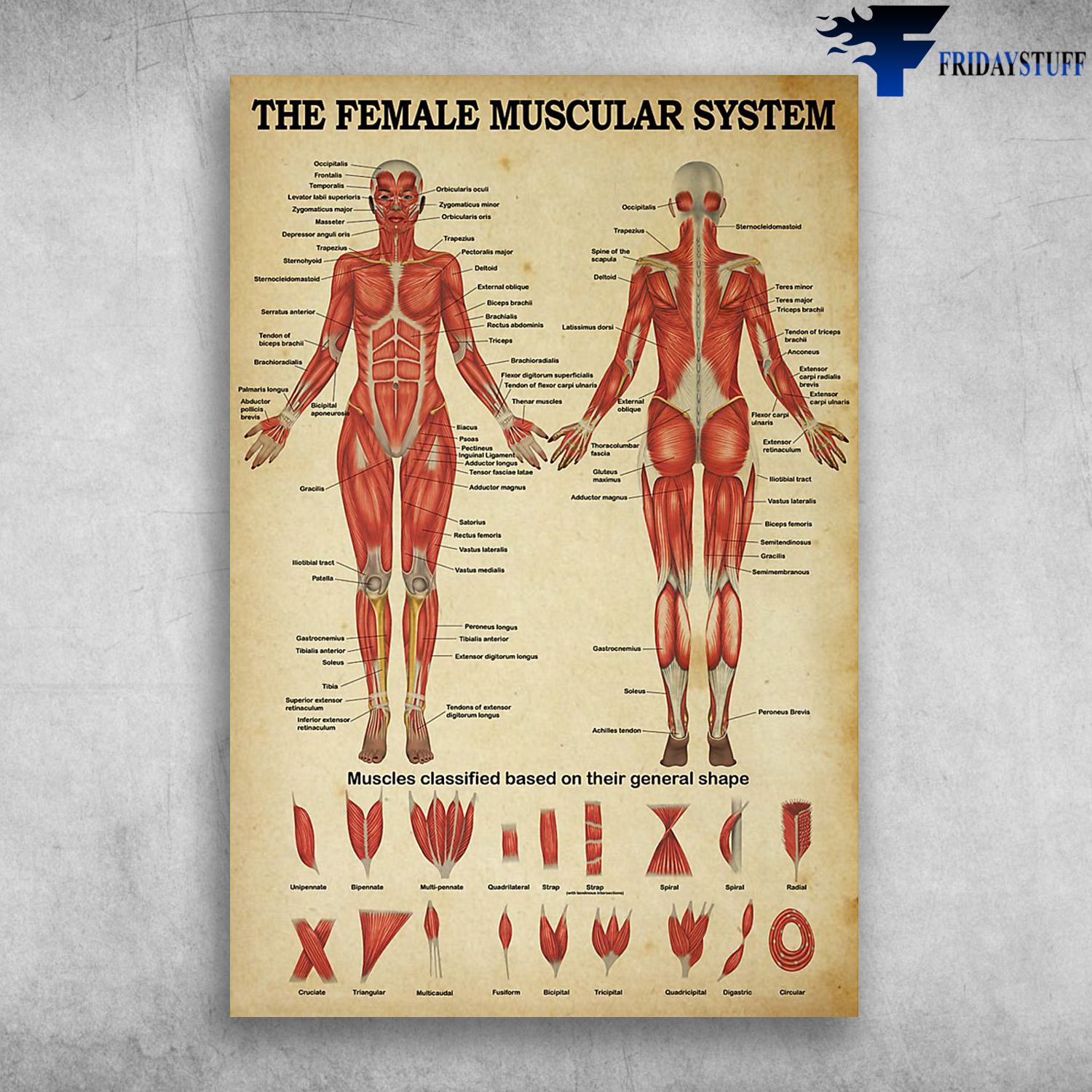
I’ve spent years studying and training the human body, and one area that consistently demands deeper understanding is the muscular female anatomy. It’s not just about aesthetics; it’s about function, strength, and the unique biomechanics that differentiate it from male musculature. For instance, did you know that women typically have a wider pelvis, which affects lower body muscle engagement during exercises like squats? This isn’t just trivia—it’s critical for designing effective training programs. Whether you’re a trainer, athlete, or simply curious, grasping these nuances can transform how you approach fitness.
The Science Behind Muscular Female Anatomy
Muscular development in women is influenced by both hormonal and structural factors. Testosterone levels, for example, are significantly lower in females, which means muscle growth tends to be slower and less voluminous compared to men. However, this doesn’t mean women can’t build impressive strength. The key lies in understanding how muscles like the gluteus maximus and quadriceps respond to training. I’ve found that compound movements—think deadlifts and lunges—are particularly effective for activating these muscle groups in women.
Hormonal Influence on Muscle Growth
Estrogen plays a role in fat distribution, which can sometimes mask muscle definition. But here’s the thing: it also aids in muscle recovery post-workout. In my experience, female athletes who prioritize recovery—through proper nutrition and sleep—often see better long-term results than those who focus solely on intensity. For instance, incorporating foods rich in omega-3 fatty acids (like salmon) can reduce inflammation and enhance recovery.
Training Strategies for Optimal Results
When it comes to training, one size does not fit all. Women often benefit from higher repetition ranges (12–15 reps) for hypertrophy, but this isn’t a hard rule. I’ve worked with female powerlifters who thrive on lower reps with heavier weights. The key is to assess individual goals and adapt accordingly. For example, a client of mine saw significant glute activation by incorporating banded hip thrusts into her routine—a simple yet effective tweak.
Common Mistakes to Avoid
One mistake I see often is women avoiding heavy weights for fear of “bulking up.” Honestly, this is a myth. Building significant muscle mass requires a caloric surplus and specific training protocols that most women aren’t following. Instead, focus on progressive overload—gradually increasing weight or reps over time. Another pitfall is neglecting core work. A strong core stabilizes movements and prevents injury, so exercises like planks and anti-rotation holds are non-negotiable.
| Muscle Group | Effective Exercises | Rep Range |
|---|---|---|
| Glutes | Hip Thrusts, Bulgarian Split Squats | 8–12 |
| Quadriceps | Front Squats, Leg Press | 10–15 |
| Hamstrings | Romanian Deadlifts, Nordic Curls | 12–15 |
💡 Note: Always prioritize form over weight. Poor form not only reduces effectiveness but also increases injury risk.
Understanding muscular female anatomy isn’t just about knowing the names of muscles—it’s about applying that knowledge to create sustainable, effective training plans. This is where it gets interesting: by respecting the body’s unique needs, you can achieve results that go beyond aesthetics. Whether you’re coaching or training yourself, the goal should always be to build strength that translates into real-world functionality. So, next time you hit the gym, remember: it’s not just about lifting weights—it’s about lifting smarter.
Related Terms:
- muscular female anatomy pictures
- muscular female anatomy diagram
- muscular female anatomy photos
- muscular female anatomy videos
- female bodybuilders
- muscle female